
WASH Programs
Water, Sanitation & Hygiene – Community Co-Owned Impact in Kenya & East Africa
| Program Duration | 7–14 days (extendable with internships) |
| Target Participants | Eco-conscious voluntourists, students, professionals, and families |
| Location | Selected co-owned communities across Kenya + future EAC pilot sites |
Program Overview
Welcome to Kipepeo Pathways’ WASH program — where your hands-on contribution creates lasting, measurable change.
WASH (Water, Sanitation & Hygiene) is one of our flagship year-round volunteering experiences. Together with local communities across Kenya, we co-design and implement practical solutions that reduce waterborne diseases, improve dignity, and generate sustainable income for families.
Our Promise:
- Community co-owned: Every project is jointly designed, implemented, and owned by the host community (with full veto rights).
- Measurable impact: We track and report 20–30% average community income uplift through direct revenue share + long-term infrastructure gains.
- Ethical & sustainable: Aligned with Kenya’s Rural Sanitation & Hygiene Protocol (Ministry of Health), UNICEF WASH standards, and international best practices.
- Skill-matched & professional: Volunteers receive orientation and contribute meaningfully while gaining real-world WASH knowledge.
Primary Objectives
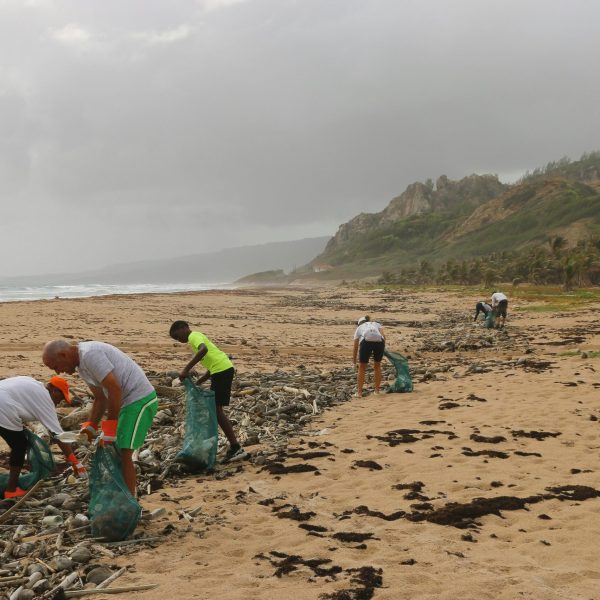
- Improve access to safe water, sanitation facilities, and hygiene practices in underserved communities throughout Kenya.
- Build local capacity so communities can maintain and scale WASH infrastructure independently.
- Provide volunteers with hands-on experience and professional growth in global development.
Measurable Community Impact (tracked and reported post-program)
- Construction or rehabilitation of handwashing stations, latrines, water tanks, or rainwater harvesting systems.
- Hygiene education sessions reaching 50–200 community members (including children and Community Health Volunteers).
- Direct economic benefit: 10–15% revenue share from your trip fee + volunteer labor value converted into community assets.
- Long-term outcome: Reduction in waterborne illnesses and contribution toward Open Defecation Free (ODF) status or improved sanitation grading.
Typical 10-Day Program (customized per site and group size)
| Day | Morning | Afternoon | Evening |
|---|---|---|---|
| Day 1 | Airport pickup + orientation | Community welcome & project overview | Cultural dinner & reflection |
| Day 2 | Safety & hygiene training + site assessment | Hands-on project work (e.g., digging, mixing) | Debrief + impact logging |
| Days 3–8 | Core project work (construction, installation, education sessions) | Community skill-sharing workshops | Group reflections |
| Day 9 | Final touches + handover ceremony | Impact measurement & feedback | Celebration with community |
| Day 10 | Departure or extension option | — | — |
Core Project Activities (chosen via community co-design)
- Construction of tippy taps or permanent handwashing stations
- Building or rehabilitating improved latrines (ventilated improved pit or pour-flush)
- Rainwater harvesting tanks or water point protection
- Hygiene promotion campaigns (handwashing demos, menstrual hygiene sessions)
- Community-led total sanitation (CLTS) trigger sessions with local Community Health Volunteers
Volunteer Roles & Responsibilities
You are a partner, not a tourist.
- Work alongside local coordinators and community members (6–10 volunteers per coordinator).
- Participate in physical labor and hygiene education.
- Respect community leadership and cultural norms.
- Complete daily impact logs (hours contributed, materials used, photos with consent).
- Uphold our Child Protection and Volunteer Code of Conduct at all times.
Prerequisites, Skills & Training
No prior construction experience required — full training provided on-site.
Useful skills (we will match you): Basic carpentry, masonry, teaching, public speaking, photography.
Pre-Arrival Training (online, 2 hours)
- Kipepeo Pathways orientation & ethics
- Basic WASH theory (Kenya Rural Sanitation & Hygiene Protocol)
- Cultural sensitivity & safety briefing
On-Site Training (Day 1–2)
- Hands-on tool use and safety
- Hygiene education techniques
- Data collection for impact reporting
Safety, Health & Risk Management
Health Requirements
- Up-to-date vaccinations (Yellow Fever, Hepatitis A/B, Typhoid, Tetanus).
- Malaria prophylaxis recommended.
- Travel insurance with medical evacuation (AMREF Flying Doctors strongly advised).
Daily Safety Protocols
- Mandatory use of PPE (gloves, boots, helmets where needed).
- Handwashing before/after every activity.
- No work during heavy rain or extreme heat without coordinator approval.
- 24/7 local coordinator + emergency contact.
Emergency Response
- Nearest health facility mapped per site.
- Evacuation plan aligned with Kenya Tourism Regulatory Authority standards.
Cultural Sensitivity & Ethical Guidelines
- We follow a strict “no orphanages, no photo exploitation” policy.
- All photos require community consent.
- Volunteers must respect local customs, gender roles, and religious practices.
- Zero tolerance for any form of exploitation or “voluntourism washing.”
Impact Measurement & Reporting
You will receive a personalized Impact Report within 30 days of departure, including:
- Photos & videos of your contribution
- Quantified outputs (e.g., “10 handwashing stations built serving 180 people”)
- Community feedback and income-uplift metrics
What to Bring (Packing List)
Essentials
- Work clothes (long sleeves/pants), sturdy closed shoes/boots
- Reusable water bottle, headlamp, personal first-aid kit
- Notebook & pen for reflections
- Sunscreen, insect repellent, hat
Recommended
- Gloves, dust mask, small toolkit (if you have one)
- Cultural gifts for host families (books, seeds, school supplies)
Post-Program Follow-Up
- Alumni network access + repeat discount (15%)
- Opportunity to sponsor ongoing farm maintenance or seeds
- Invitation to share your story (with consent) on our website/blog
Final Note from the Kipepeo Team
Thank you for choosing to walk a Pathway of Impact with us. Your time in the WASH program is not just volunteering — it is co-creating sustainable change that families across Kenya will feel for generations.
Ready to begin?
Contact your coordinator or visit kipepeopathways.com for booking and dates.
