

Environmental Conservation
Protecting Nature, Restoring Ecosystems & Building Community Resilience in Kenya & East Africa
| Program Duration | 7–14 days (extendable with internships) |
| Target Participants | Eco-conscious voluntourists, students, conservation enthusiasts, families, and nature lovers |
| Location | Selected co-owned communities across Kenya + future EAC pilot sites |
Program Overview
Welcome to Kipepeo Pathways’ Environmental Conservation program — where your hands-on contribution helps protect Kenya’s natural heritage while strengthening community livelihoods.
Environmental Conservation is one of our flagship volunteering experiences. Together with local communities across Kenya, we co-design and implement practical conservation projects that restore ecosystems, combat climate change, preserve biodiversity, and create sustainable income opportunities for families.
Our Promise:
- Community co-owned: Every conservation project is jointly designed, implemented, and owned by the host community (with full veto rights).
- Measurable impact: We track and report 20–30% average community income uplift through direct revenue share + long-term ecosystem services and eco-enterprises.
- Ethical & sustainable: Aligned with Rainforest Alliance, Fairtrade, EU Organic, and international conservation best practices.
- Skill-matched & professional: Volunteers receive orientation and contribute meaningfully while gaining real-world experience in environmental stewardship.
Primary Objectives
- Restore and protect local ecosystems (forests, wetlands, grasslands, and coastal areas).
- Build community capacity in sustainable natural resource management.
- Provide volunteers with practical conservation experience and professional growth.
Measurable Community Impact (tracked and reported post-program)
- Tree planting, reforestation, and habitat restoration.
- Biodiversity monitoring and citizen-science activities.
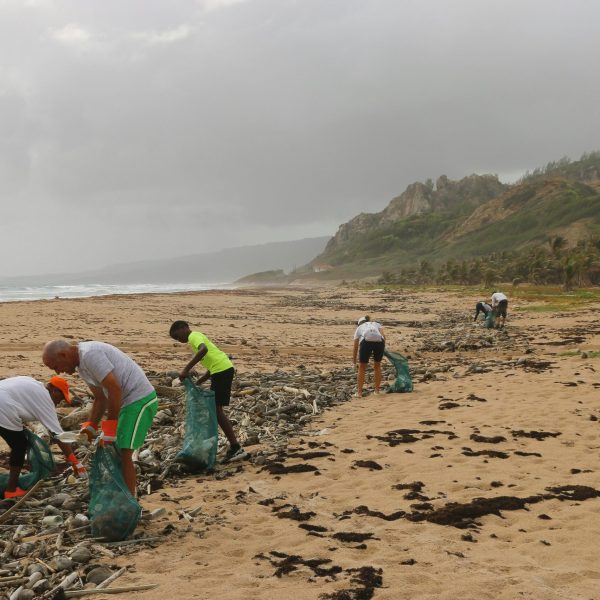
- Waste management and anti-littering campaigns.
- Community education on climate change adaptation and sustainable resource use.
- Direct economic benefit: 10–15% revenue share from your trip fee + volunteer labor converted into conservation assets and eco-income projects.
- Long-term outcome: Improved ecosystem health, carbon sequestration, and new community-based conservation enterprises.
Typical 10-Day Program (customized per site and group size)
| Day | Morning | Afternoon | Evening |
|---|---|---|---|
| Day 1 | Airport pickup + orientation | Community welcome & site assessment | Cultural dinner & reflection |
| Day 2 | Conservation principles training + ecological survey | Hands-on project work (e.g., tree planting, trail maintenance) | Debrief + impact logging |
| Days 3–8 | Core project work (reforestation, habitat restoration, clean-ups) | Community education workshops & skill-sharing | Group reflections |
| Day 9 | Final touches + handover ceremony | Impact measurement & feedback | Celebration with community |
| Day 10 | Departure or extension option | — | — |
Core Project Activities (chosen via community co-design)
- Tree planting and reforestation of degraded lands
- Habitat restoration and erosion control (e.g., gabions, grass strips)
- River, wetland, or beach clean-ups and waste management
- Biodiversity monitoring and simple ecological surveys
- Construction of nature trails or conservation signage
- Community workshops on climate resilience and sustainable land use
- Support for community-led conservation enterprises (beekeeping, indigenous tree nurseries, eco-tourism micro-projects)
Volunteer Roles & Responsibilities
You are a partner, not a tourist.
- Work alongside local coordinators, community members, and conservation groups (6–10 volunteers per coordinator).
- Participate in physical conservation work and education sessions.
- Respect community leadership, traditional ecological knowledge, and cultural norms.
- Complete daily impact logs (hours contributed, trees planted, photos with consent).
- Uphold our Child Protection and Volunteer Code of Conduct at all times.
Prerequisites, Skills & Training
No prior conservation experience required — full training provided on-site.
Useful skills (we will match you): Gardening, hiking, teaching, photography, data collection, or basic surveying.
Pre-Arrival Training (online, 2 hours)
- Kipepeo Pathways orientation & ethics
- Introduction to environmental conservation in Kenya
- Cultural sensitivity & safety briefing
On-Site Training (Day 1–2)
- Conservation techniques and safe tool use
- Ecological survey methods
- Data collection for impact reporting
Safety, Health & Risk Management
Health Requirements
- Up-to-date vaccinations (Yellow Fever, Hepatitis A/B, Typhoid, Tetanus).
- Malaria prophylaxis recommended.
- Travel insurance with medical evacuation (AMREF Flying Doctors strongly advised).
Daily Safety Protocols
- Mandatory use of PPE (gloves, boots, sun hat, long clothing, high-visibility vest where needed).
- Hydration and sun protection during outdoor work.
- No work during extreme weather without coordinator approval.
- 24/7 local coordinator + emergency contact.
Emergency Response
- Nearest health facility mapped per site.
Evacuation plan aligned with Kenya Tourism Regulatory Authority standards.
Cultural Sensitivity & Ethical Guidelines
- We follow a strict “No Orphanages, No Photo Exploitation” policy (see Our Ethics page).
- All photos and videos require community consent.
- Volunteers must respect local customs, sacred sites, and traditional knowledge of the environment.
- Zero tolerance for any form of exploitation or “voluntourism washing.”
Impact Measurement & Reporting
You will receive a personalized Impact Report within 30 days of departure, including:
- Photos & videos of your contribution
- Quantified outputs (e.g., “1,200 indigenous trees planted, restoring 3 hectares of degraded land”)
- Community feedback and income-uplift metrics
What to Bring (Packing List)
Essentials
- Work clothes (long sleeves/pants), sturdy hiking boots or gumboots
- Reusable water bottle, headlamp or torch, personal first-aid kit
- Notebook & pen for reflections
- Sunscreen, insect repellent, wide-brim hat, rain jacket
Recommended
- Gardening gloves, small hand tools (if you have them)
- Binoculars or field notebook for observations
- Cultural gifts for host families (tree seedlings, books on conservation, school supplies)
Post-Program Follow-Up
- Alumni network access + repeat discount (15%)
- Opportunity to sponsor ongoing farm maintenance or seeds
- Invitation to share your story (with consent) on our website/blog
Final Note from the Kipepeo Team
Thank you for choosing to walk a Pathway of Impact with us. Your time in the Environmental Conservation program is not just volunteering — it is co-creating a healthier planet and stronger communities across Kenya for generations to come.
Ready to begin?
Contact your coordinator or visit kipepeopathways.com for booking and dates.
